


 2026-07-28


Sanya features year-round high temperature, high humidity and intense sunlight exposure, which easily causes crops to dehydrate, wither and suffer low survival rates. Traditional greenhouses consume massive energy with poor temperature control, and remain idle throughout summer, making stable annual output impossible. To tackle the core pain points of tropical planting, Mayer TES has developed an innovative multi-energy complementary ultra-low energy consumption intelligent greenhouse solution. Relying on self-developed core energy storage technology, the solution breaks the limitations of traditional planting models and delivers a brand-new path to boost quality and cut costs for tropical facility agriculture.

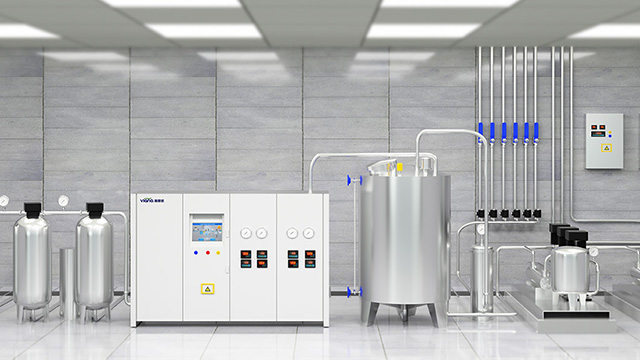
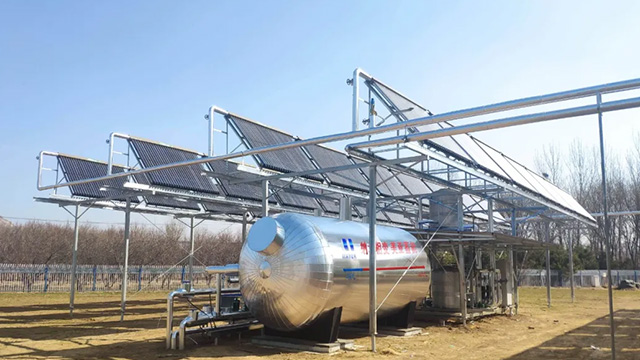
The observation meeting showcased two major achievements: technological innovation and new crop cultivation. The greenhouses at the base are equipped with high-performance phase-change cold storage temperature control soil layers, which stabilize soil temperature at 20–23°C, around 10°C lower than the outdoor temperature; in summer, the indoor air temperature stays 4°C lower than outdoors to effectively alleviate heat stress. Meanwhile, the greenhouses integrate complementary energy technologies including photovoltaics, wind power and heat pumps to realize self-supply of clean energy, ultra-low energy consumption and low-carbon operation. The technology completely eliminates the summer idle problem and enables continuous all-year planting.

At present, the over 2,000 square meters of intelligent greenhouses at the base operate stably. After long-term data optimization and cultivation trials, the new heat-and-humidity-resistant cucumber varieties inside grow vigorously with excellent appearance. This fully proves the adaptability of energy storage temperature control technology to tropical climates, effectively solves the difficulty of stable fruit and vegetable production in local summers, and fulfills the core research objectives of the two scientific research projects. At the event, participating teachers, students and industry practitioners visited the intelligent planting system, picked new crops by hand and experienced the innovative value of technology-enabled agriculture up close.


In the future, Mayer TES will deepen university-enterprise scientific research cooperation, continuously optimize the intelligent regulation system of greenhouses, perfect the annual high-efficiency production model for crops grown in high-temperature and high-humidity environments, and accelerate the popularization and application of ultra-low energy consumption greenhouse technologies. With green energy storage technology, the company will support the intelligent, low-carbon and large-scale upgrading of agriculture in hot and humid regions.